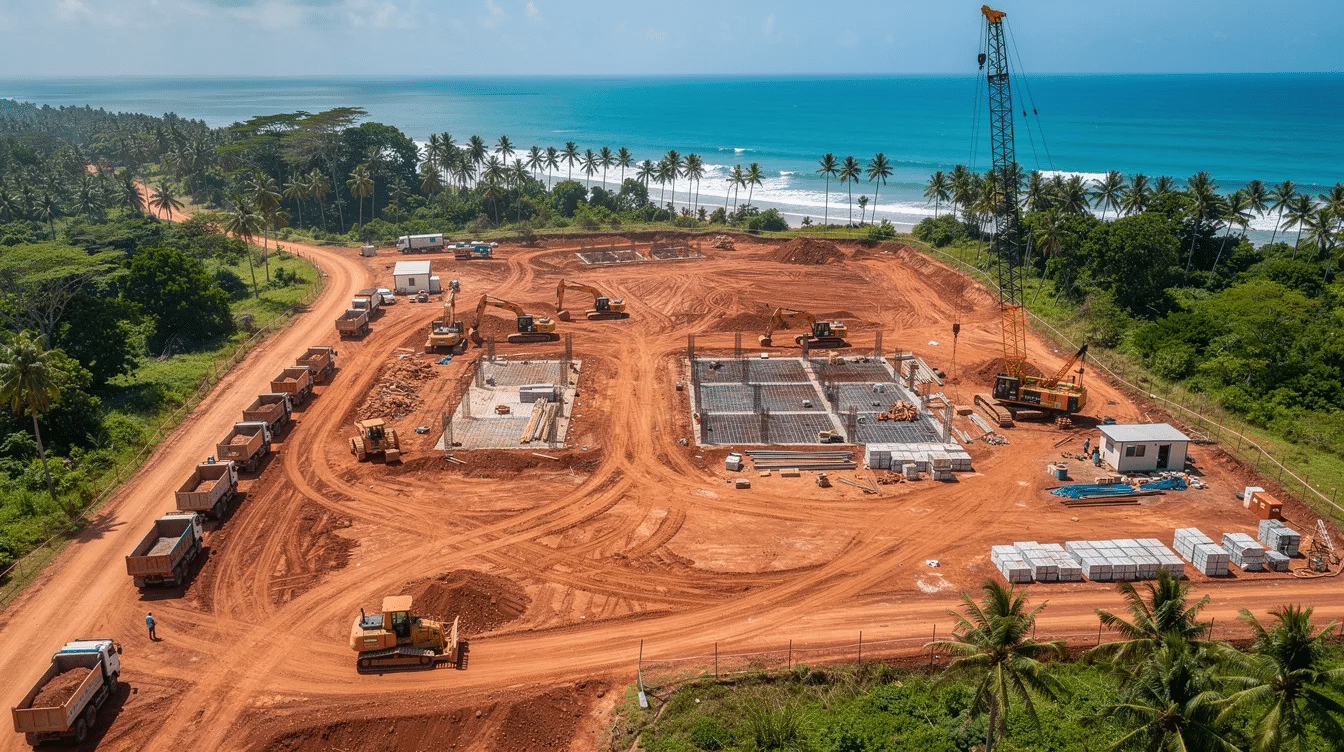


Hawai’i stands at an early stage of the data center boom that has reshaped mainland markets. While Virginia’s Data Center Alley hosts over 300 facilities and Texas continues landing billion-dollar projects, the islands currently operate only 5-7 edge nodes—mostly under 10 MW. That’s about to change.
The U.S. data center industry is expanding rapidly to support artificial intelligence workloads, streaming services, cloud computing, and government systems. Over 3,900 powered facilities now operate nationwide, with data center development projected to grow at an annual rate of 10.9% through 2030. Employment in data centers increased from 306,000 to 501,000 between 2016 and 2023, creating significant economic opportunities in construction and related sectors.
Hawai’i’s strategic Pacific positioning, 12+ submarine cable connections, and state IT modernization goals under Act 89 are drawing early interest from data center developers. But island communities operate differently from mainland markets. Missteps in communication, energy use, or water demand spread quickly through social media and neighborhood organizations. What takes months to become organized resistance in Arizona can happen in weeks on O’ahu.
For ABC Hawaii members—merit shop contractors, subcontractors, and suppliers—this emerging sector presents both opportunity and responsibility. We will increasingly find ourselves on the front line explaining what these projects mean for local job creation, traffic, and environmental concerns. Getting community engagement right isn’t optional. It’s the foundation for capturing these investments.
This playbook is designed for merit shop contractors, subcontractors, and suppliers in Hawai’i who are seeking practical strategies for effective community engagement in data center construction projects.
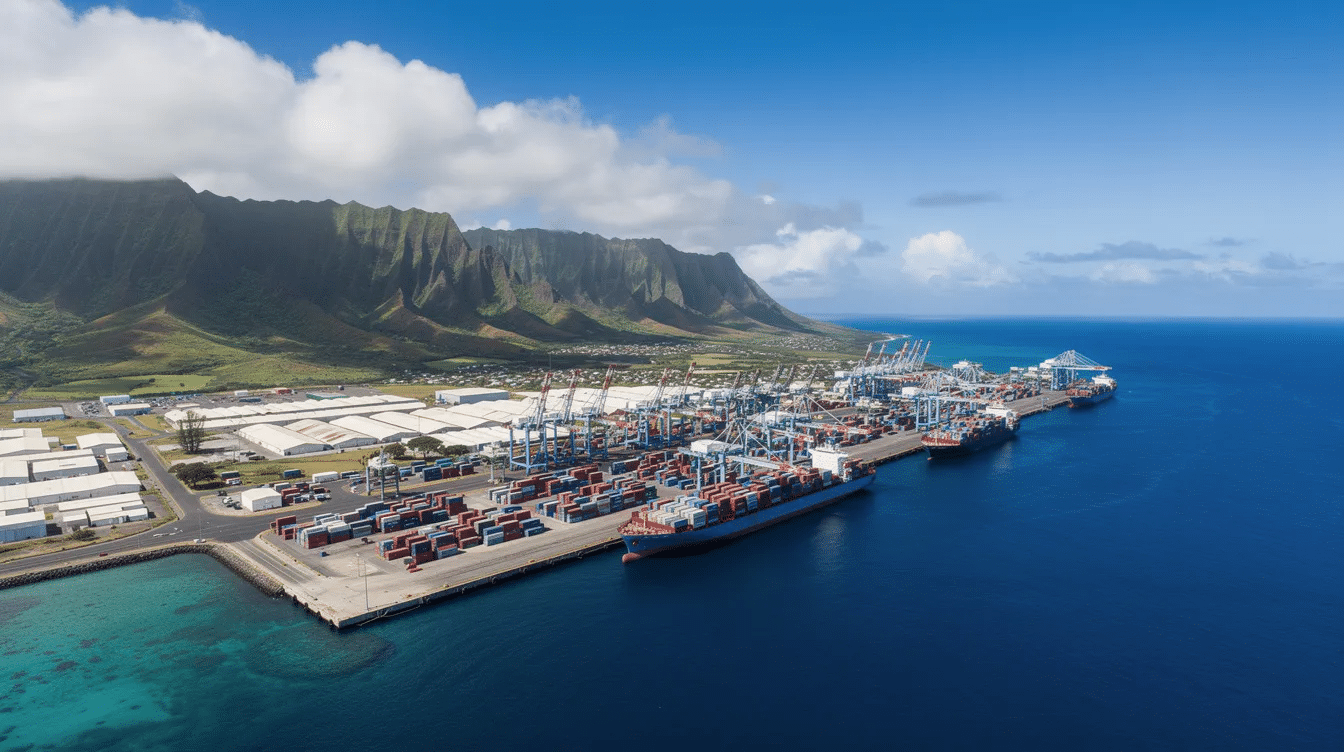
In April 2026, ABC of Alabama President Jay Reed testified before the Birmingham City Council on behalf of ABC Alabama, the Associated General Contractors of Alabama, and the Birmingham Construction Industry Authority. His testimony offers a practical model for Hawai’i counties considering data center proposals.
Reed framed data centers as “high-value, low-service” assets for local governments. These large-scale facilities deliver substantial property and sales tax revenue while imposing minimal burdens on schools, roads, or emergency services. Data centers rarely call for police or fire interventions beyond routine inspections. Total government revenues associated with the data center sector increased from $66 billion in 2017 to more than $162 billion in 2023—demonstrating the economic benefits of data centers for local and state governments.
The Meta Montgomery data center served as the star example:
Reed warned that restrictive zoning policies push projects to competing markets. Georgia and Texas lured $20 billion in data center projects in 2025 with favorable incentives. Alabama’s balanced approach kept Meta’s investment local.
The engagement tools Reed supported translate directly to Hawai’i:
For Hawai’i county councils and planning commissions evaluating data center infrastructure proposals, this Alabama model demonstrates how trade associations can advocate for balanced development that benefits local economies while addressing local concerns.
Mainland templates must be adjusted for Hawai’i’s island grid, water constraints, and Native Hawaiian cultural considerations. Here’s the reality check project leaders and local officials need to understand.
Grid Capacity and Energy Use
O’ahu’s Hawaiian Electric grid peaks at approximately 1,800 MW with 30% renewables. A 100 MW data center equals 5% of that load—enough to risk blackouts without adequate storage. Maui and Hawai’i Island operate smaller grids (200-500 MW), while Kaua’i Island Utility Cooperative runs an isolated system pursuing 100% renewable goals. By 2028, data centers could account for up to 12% of all U.S. electricity consumption, and Hawai’i’s constrained grids make power consumption a common concern among local residents.
Water Availability and Environmental Concerns
Mid-sized data centers can use up to 300,000 gallons of water a day, while large facilities can consume as much as 5 million gallons daily—comparable to the water usage of a small town. In Hawai’i, where agriculture claims 70% of O’ahu’s supply and droughts are increasingly common, industrial water withdrawals face heightened scrutiny. Two-thirds of all data centers built or in development since 2022 are located in water-stressed areas, prompting public concern and governance action regarding water use.
Data centers that rely on gas-fired generation for routine operations can contribute to continuous air quality impacts and greenhouse gas emissions, raising health risks for nearby communities. Noise from data center construction, rooftop cooling systems, and backup generators can reach levels of 85 to 100 decibels, potentially disrupting local communities.
Cultural and Community Dynamics
Approximately 80% of O’ahu’s lands have cultural significance, including proximity to iwi kūpuna (burial sites). Early engagement with kupuna, the Office of Hawaiian Affairs, and cultural practitioners isn’t bureaucratic courtesy—it’s essential. Line-of-sight issues affecting shoreline or mauka views can generate opposition faster than any technical concern.
Geographic Realities
Limited industrial-zoned land near ports and substations constrains data center siting options. Campbell Industrial Park on O’ahu and Puainako on Hawai’i Island are close to fiber landings, but community members in neighboring residential and resort areas often oppose heavy infrastructure in their vicinity.
This is the heart of the playbook: structural elements that any Hawai’i data center project should build into its transparent engagement approach.
Independent Fiscal Impact Analysis
Third-party review comparing property tax revenues, construction sales tax, and long-term operations tax base against incremental public services costs. Investments in data centers often lead to infrastructure improvements, such as upgrades to roads and power grids, that benefit the broader community beyond the facility’s immediate needs.
Local Hiring and Workforce Commitments
Prioritizing local contractors and suppliers ensures the economic benefits remain within the community.
Transparency on Energy and Water Demand
Openly sharing data on resource use, such as energy and water consumption, helps demystify the facility. Provide public numbers for:
Minimizing noise with acoustic walls, reducing water consumption, and using green space/landscaping help blend the project into the environment.
Renewable Energy and Sustainability Goals
Alignment with state clean energy mandates through:
Community Benefits and Engagement Structures
Developers often use legally binding Community Benefit Agreements (CBAs) to formalize specific commitments. Community Benefit Agreements (CBAs) are legally binding agreements that formalize commitments to local hiring, noise reduction, and funding for community projects. Essential data centers in Hawai’i should establish:
ABC Hawaii is a nonprofit trade association representing merit shop contractors, suppliers, and related firms across the islands. With over 300 members and 1,500+ apprenticeship enrollees, we bring unique strengths to emerging data center conversations.
Framing Data Center Construction as a Community Opportunity
Our members can help frame modern data centers as disciplined, safety-focused, and community-responsive opportunities for local trades. Data center construction involves carpentry, electrical, plumbing, roofing, painting, and civil work—the exact specialties where merit shop contractors excel.
The Merit Shop Workforce Pipeline
ABC Hawaii’s apprenticeship programs give residents of O’ahu, Maui, Hawai’i Island, Kaua’i, and the neighbor islands access to high-paying construction careers without college debt. These programs align directly with data center construction labor needs, with MEP installation accounting for 40% of project budgets.
Advocacy Role
We engage early with county councils, planning commissions, and the state legislature to promote balanced policies on zoning, permitting, and financial incentives. Our goal: to attract data center investment while preserving community priorities and ensuring that local benefits flow to island workers.
Safety and Compliance
ABC Hawaii members maintain a Total Case Incident Rate of 1.5, compared with the industry average of 2.8. OSHA training, emergency response readiness, and quality control help reassure host communities about construction site risks, traffic management, noise, and dust during center construction.

Here’s a toolbox of concrete engagement actions that developers, contractors, and economic developers can deploy on each island.
Engage Early, Before Formal Announcements
Initiating dialogue during the planning stage allows for project adjustments based on local feedback. Data center developers who treat residents as partners and engage in transparent communication are more likely to build trust and support within the community. Start with confidential briefings with county officials, utility partners, and community leaders before public disclosure.
Localized Engagement Formats
Clear, Non-Technical Explanations
Explain what a data center is, what will be built, how long construction will last, and what long-term data center operations look and sound like. Address visual impacts, traffic, lighting, and noise in plain language. Modern data centers power 40% of U.S. internet traffic, telehealth, and disaster response—connect digital infrastructure to modern life.
Address Specific Local Concerns
Hawai’i-Specific Communication Channels
Use local radio, Hawaiian- and English-language materials, and social media groups popular in each county. Partner with local chambers of commerce and workforce development nonprofits like ABC Hawaii.
Visibility into Local Job Pathways
Site tours for students, career day presentations, and clear explanations of how local residents can enter ABC Hawaii apprenticeship programs linked to data center projects help build public perception that these investments benefit rural communities and urban areas alike.
Opposition to data centers is growing on the mainland. Hawai’i counties are monitoring cases in which multi-building campuses were delayed or canceled due to community concerns. Virginia’s Prince William County capped new builds after lawsuits. Wisconsin’s Dane County delayed a $1 billion Microsoft project amid water protests.
The Risk of Secrecy and Speed
Rapid expansion timelines and NDAs can create mistrust. Residents worry when they learn about large-scale developments through news reports rather than direct outreach. Engaging early and often with local stakeholders helps align data center projects with zoning requirements and community expectations, fostering goodwill and reducing local opposition.
Zoning and Land Use Strategy
Keep data centers in clearly industrial or technology-oriented zones. Restrictive zoning or blanket moratoria send projects to competing markets—such as Arizona, Utah, or Asia-Pacific hubs like Guam and Australia. City planners need accurate information on the potential benefits these facilities bring to the local economy, including tax revenue, infrastructure investment, and technological innovation.
De-escalating Opposition
Long-Term Presence
Attend neighborhood board meetings annually. Report on tax contributions and job numbers. Adjust operations—noise screening, traffic routing—in response to feedback. Data center operations in Hawai’i must demonstrate commitment to long-term success through ongoing relationship-building with local communities.
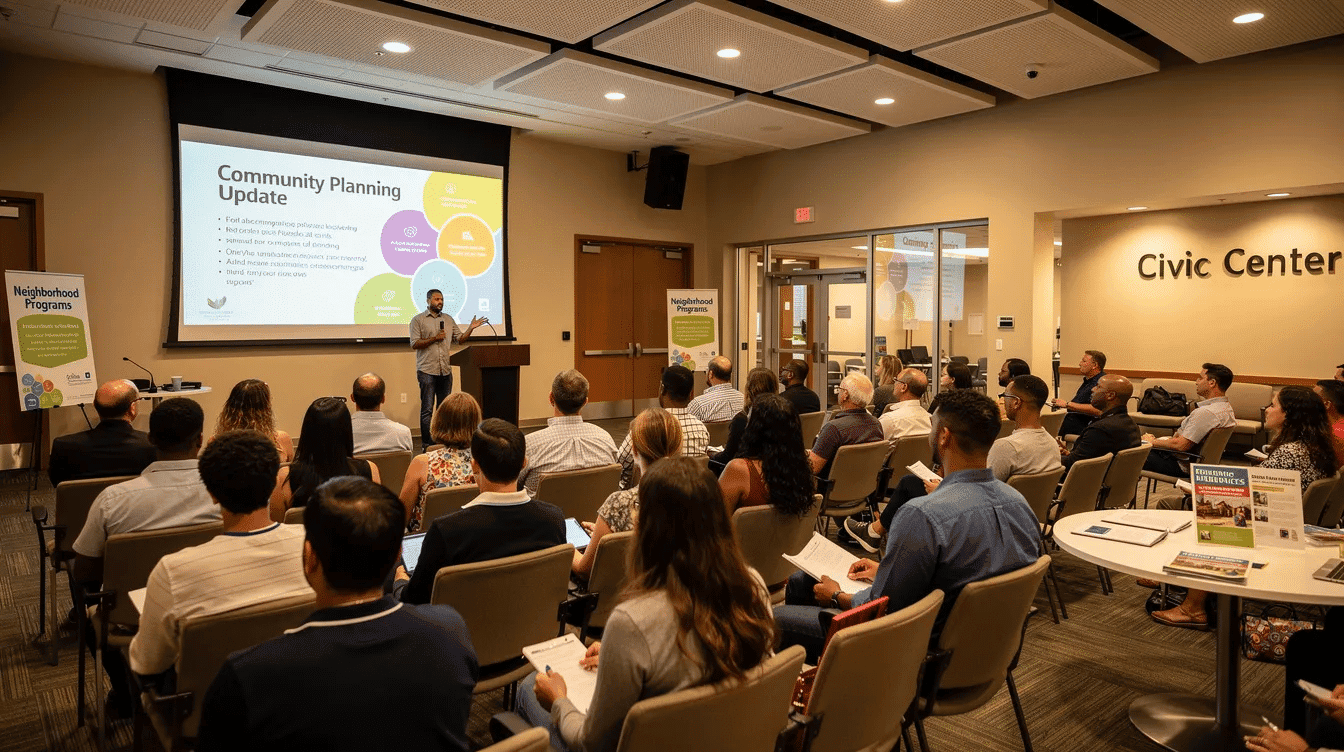
Individual data center projects can range from $200 million to over $1.5 billion, as seen with Meta’s Montgomery, Alabama campus. Construction scopes include sitework, concrete, structural steel, envelope, mechanical/electrical/plumbing, fire protection, roofing, security, and interior fit-out. While operations staff are relatively small (often 50-150 permanent employees), buildout phases can support more than 1,000 construction workers at peak. Hawai’i contractors should prepare by strengthening safety programs, enhancing BIM/VDC capabilities, and deepening familiarity with mission-critical MEP and water systems.
Top concerns include continuous energy use and grid strain, water consumption for cooling, air quality, and emissions from diesel backup generators, noise pollution from mechanical systems, and potential heat island effects. In Hawai’i, these concerns are amplified by islanded grids, finite freshwater aquifers, and sensitivity to climate impacts. Data centers can consume up to 20 times the computing power of traditional facilities, with a single modern AI data center using as much power as 100,000 homes.
Members can participate through ABC Hawaii-led policy working groups that meet with state and county officials to discuss data center-ready zoning, permitting, and diverse workforce strategies. Share your capacity, training programs, and safety track records with local economic development agencies. ABC Hawaii hosts briefings featuring examples like Jay Reed’s Birmingham testimony to show policymakers what responsible, trade-association-backed advocacy looks like. This positions your firm to capture internet access infrastructure work before projects receive the green light.
Yes. Data center projects often lead to improved broadband and fiber networks, substation upgrades, and stronger utility infrastructure benefiting homes, schools, and small businesses. Negotiated community benefits can include STEM education funding, workforce scholarships through ABC Hawaii programs, digital access initiatives for rural communities on Hawai’i Island and Maui, and support for local nonprofits. These long-term benefits extend well beyond initial construction.
Avoid a purely defensive posture. Participate in open houses or town halls alongside developers, focusing on safety, construction practices, and local hiring. Share concrete information on construction timelines, traffic management, dust and noise control measures, and emergency preparedness. ABC Hawaii can coordinate unified messaging among merit shop contractors to highlight community benefits and the checks and balances of independent impact reviews—turning potential opponents into informed stakeholders.